
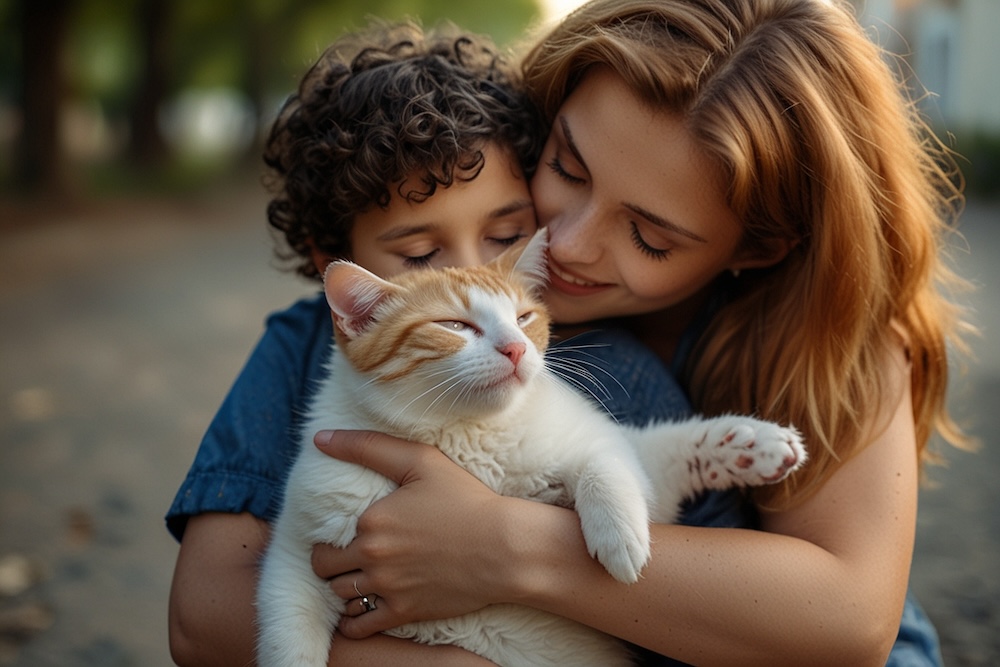
From an early age, many of us have formed strong bonds with our pets. Dogs, cats, birds, and other animals become our companions, bringing us joy, companionship, and unwavering loyalty. Many people consider their pets as family members, lavishing them with love and care.
However, is the love we have for our pets truly “unconditional,” as we often believe? Or is it merely a one-sided attachment, driven by our own needs and desires?
The Complexity of Love for Pets
Unconditional love is a noble concept, often likened to the love of a parent for their child. It is love without expectations, not based on any conditions, but stemming from deep concern and respect for another being.
However, the relationship between humans and pets does not seem to fit entirely into this definition. We love our pets for many reasons, but most of them stem from the benefits they bring us. Dogs provide security and protection, cats offer affection and cuddles, and birds bring cheerful chirps and small joys.
However, this does not mean that our love for pets is fake or insincere. Pets provide us with companionship, loyalty, and affection, things that enrich and give meaning to our lives.
Limitations of This Love
Nevertheless, this love still has its limitations. It is important to acknowledge that the relationship between humans and pets has certain constraints. Pets do not have the capacity to reciprocate our love in the way that humans can. They cannot understand our language, share our experiences and emotions, or fully reciprocate our affection.
Furthermore, we often anthropomorphize our pets, attributing to them thoughts and feelings that we imagine. We assume that they understand what we say, feel what we feel, and always love us unconditionally. However, reality may not always be so.
Pets are sentient beings with their own needs and desires. However, they lack the ability to communicate and express themselves in the way that humans can. As a result, it is difficult to know whether they truly love us or are simply responding to the needs we provide them.
Expanding the Circle of Love
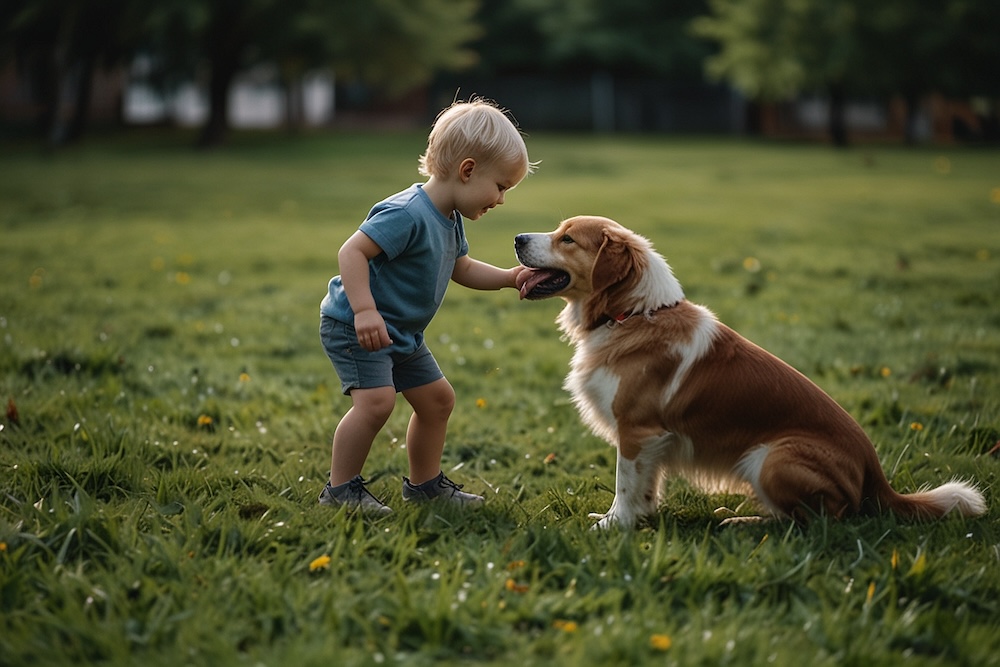
In addition, our love for pets is sometimes selective. We love our own pets, but we can be indifferent or even cruel to other animals. We are willing to spend a lot of money on our pets’ care, but we may consume other animals as food or turn a blind eye to violence against wildlife.
This suggests that our love for pets may not stem entirely from compassion and empathy. It may be influenced by other factors such as appearance, cuteness, the ability to serve humans, and even cultural and social biases.
Towards Comprehensive Love
So, do we truly love our pets? The answer is not simple. Our love for pets is a complex blend of genuine emotions, personal needs, and external influences.
However, it is crucial to recognize the limitations of our love for pets. We should love them responsibly, respecting their unique needs and nature, and extend our compassion to all living beings.
Hopefully, by reflecting on our love for our pets, we will realize that true love must encompass respect, understanding, and genuine care for all animals around us.
Unconditional love is a noble goal, but it needs to be practiced sincerely and consciously. Only when we love all living beings with respect and compassion can we create a peaceful and harmonious world.
