

In the pursuit of a fulfilling life, we all aspire to cultivate love, compassion, and tolerance. However, even enlightened masters like His Holiness the Dalai Lama and Zen Master Thich Nhat Hanh have acknowledged experiencing anger from time to time.
Science recognizes anger as a natural human emotion. Psychologists encourage expressing anger as a means of releasing stress, and some religions even acknowledge righteous anger. Yet, we all understand the detrimental effects of anger and would rather not experience it. So why does anger arise so easily when things don’t go our way?
Buddhism views anger as a negative emotion that harms us both physically and mentally. The teachings of masters like Zen Master Thich Nhat Hanh offer profound insights into dissolving anger. In this article, I’d like to share some personal experiences from my journey of practicing anger management.
Recognizing Anger at Its Inception
As the saying goes, “Anger is natural, but mastering it is a mark of true character.”
I used to be a short-tempered person with a strong ego, prone to anger in both my personal and professional life. Identifying anger was the first and most challenging step in this journey.
Like a ninja lurking in the shadows, anger often strikes unexpectedly, leaving us unprepared. Initially, it manifests as subtle feelings of discomfort and irritation. But if left unidentified and unaddressed, these negative emotions can escalate into a raging fire of anger, burning our minds and causing us to lose ourselves.
I began exploring Buddhist teachings, understanding the root causes of anger, and practicing patience and mindfulness meditation. During my silent sittings, I started reflecting on and noting the initial signs of my anger.
I paid attention to my body’s reactions when anger arose: rapid breathing, a racing heart, a rising body temperature, etc. Simultaneously, I observed the negative thoughts, resentment, and urge to react harshly emerging in my mind.
At this crucial moment, I would gently remind myself, “I’m starting to get angry”, “It’s approaching, it’s here, the anger will explode if I don’t recognize it in time.”
In reality, I lost this recognition point many, many times. It’s truly not easy to grasp; we often miss it and only realize it later.
What to do? Well, only through consistent practice. You can’t expect to hit the bull’s eye on your first archery attempt.
Controlling and Calming Anger
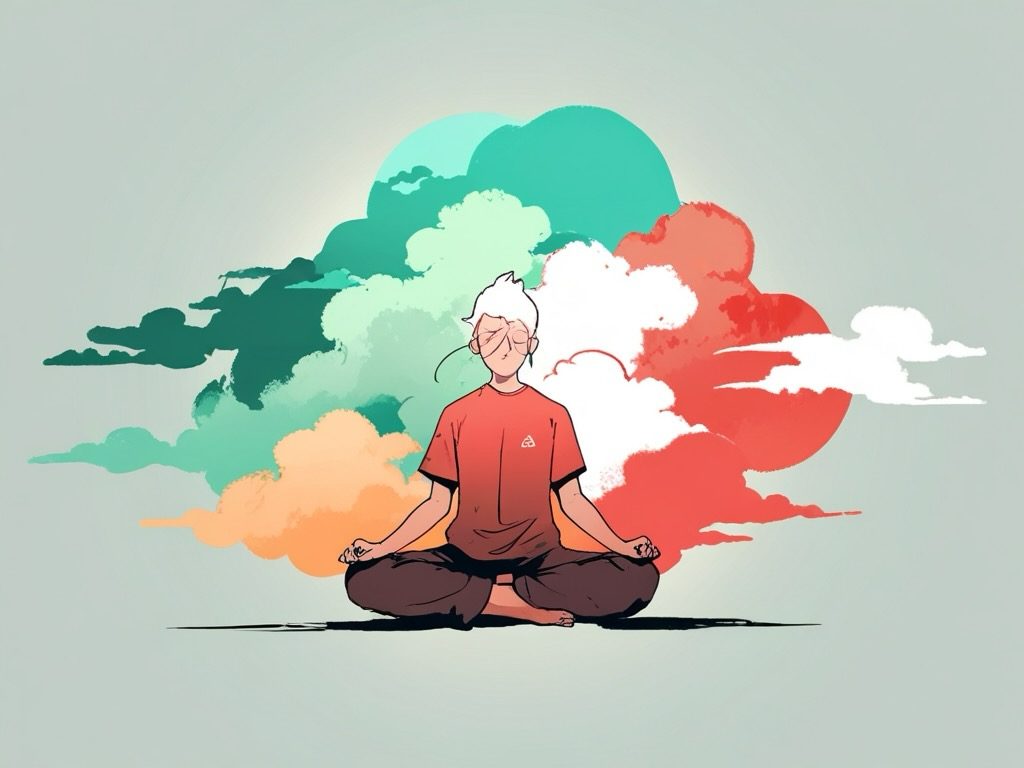
Upon recognizing anger, I would engage in deep breathing exercises, focusing on my breath. Deep breathing helps calm my mind, slow my heart rate, and lower my body temperature.
Along with breathing, I would silently chant the Buddha’s name. My choice of the Buddha’s name stems from my daily meditation practice; it’s a habit. Chanting the Buddha’s name anchors my mind, preventing me from emotional outbursts as the fire of anger simmers within.
The deeper I breathed and the faster I chanted, the stronger the anger, the slower and deeper I breathed.
Deep breathing was like releasing the heat of the anger fire. Chanting the Buddha’s name was like sprinkling water on the burning flames. In that moment, I was solely focused on my anger, either escaping or at least distancing myself from the conflict arising from the unpleasant situation.
Gradually, the anger would subside, the heat would dissipate, my breath would regulate, my heartbeat would stabilize, and the chanting of the Buddha’s name in my head would become rhythmic.
It was at this point that I knew I had gained some control over my anger.
Caring for Your Anger
Controlling anger is just the first step. Zen Master Thich Nhat Hanh and Dharma Master Chin Kung taught that to truly dissolve anger, we must nurture and understand it. After controlling my anger, I would dedicate time for quiet reflection, examining the causes and associated emotions, leading me to realize that the root of the problem often lies within myself.
A powerful analogy for anger management is a rock pressing down on a patch of weeds. The weeds represent our anger, and we’ve successfully suppressed them by placing a rock on top. However, the truth is that even lying flat, the weeds continue to grow taller. One day, if the rock is removed, the weeds will sprout even higher than before.
The revered masters have taught that we must nurture, embrace, and understand our anger to dissolve it, to uproot the weeds.
How did I practice this?
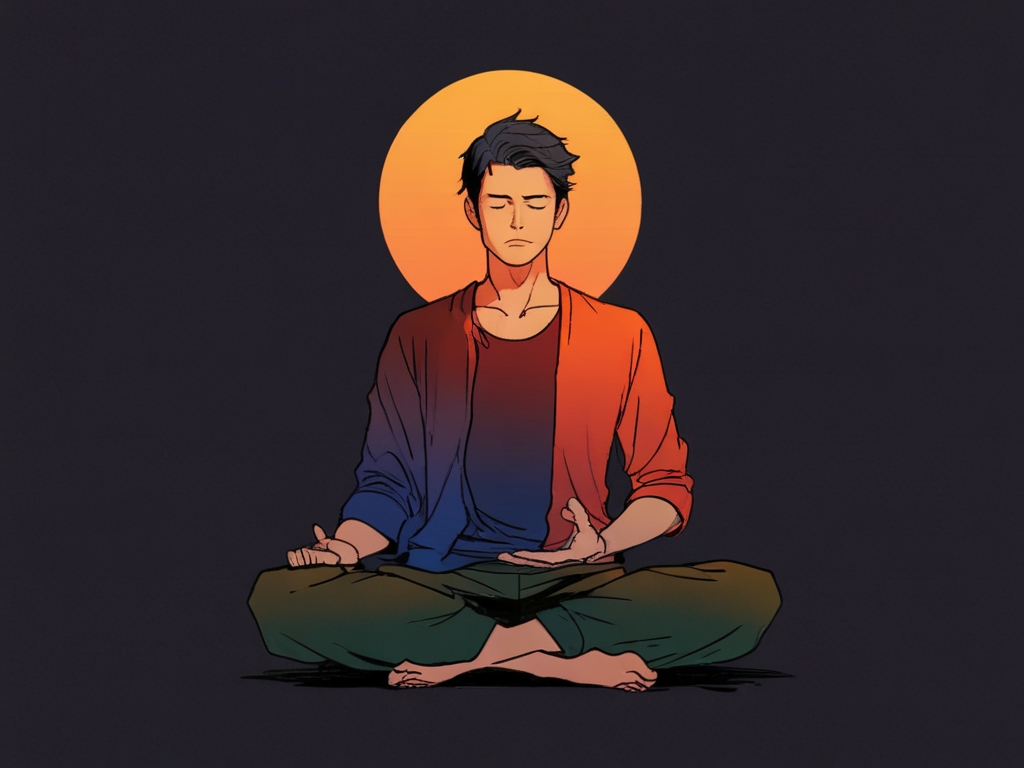
After controlling my anger, I would dedicate a quiet period, usually in the evening of the same day, to sit and reflect, revisiting the events leading up to my anger.
- Why did the anger arise?
- What triggered it? The unpleasantness I experienced, why did those events and people cause me such negative emotions?
- What did they do? What actions caused me to feel this way?
- Were they wrong, or was I wrong?
- If they were wrong, why did they act that way?
Each question like this led me closer to the root of the problem. Perhaps they were wrong, perhaps I was wrong, but ultimately, I came to understand my anger.
As Dharma Master Chin Kung wisely said, “Others are not at fault; everything is my own doing.” After many times of nurturing, embracing, and understanding my anger, I gradually began to grasp the meaning of these words. Indeed, it was my own fault.
Why did I find something so unpleasant? Because I had an inflated ego, because I was greedy, because I wanted to fit others into my own mold. And when they didn’t conform, the fire within me ignited.
So, wasn’t the root of the problem me?
In this way, each time I experienced anger, I would engage in this nurturing process, sometimes for 20 minutes, 30 minutes, or even an hour. I patiently asked questions, persistently sought answers, nurtured my anger to understand it, and finally dissolved it through deep understanding.
Facing Anger Again
Similar situations from the past could easily trigger new bouts of anger. However, having explored the root of the problem, I could more easily recognize and control my anger more quickly.
The journey of embracing and understanding anger is not easy. It requires perseverance, patience, and unwavering determination. However, with relentless effort, I gradually learned to understand and tame the flames of anger, leading me towards a more peaceful and fulfilling life.
The process of practicing anger recognition and resolution has taught me valuable lessons about myself and emotional management. I hope these insights will be helpful for those seeking peace and emotional control in their lives.
Anger is a natural human emotion, but it doesn’t have to control us. By recognizing anger at its inception, controlling and calming it, and nurturing our understanding of it, we can learn to manage our emotions and live more peaceful lives.
The journey of overcoming anger is a personal one, and there is no one-size-fits-all approach. However, the principles of mindfulness, patience, and self-reflection can be invaluable tools in this process.
If you are struggling with anger, I encourage you to explore different anger management techniques and find what works best for you. With dedication and practice, you can learn to master your anger and live a more fulfilling life.
Remember, you are not alone. Many people struggle with anger, and there are resources available to help you. With time and effort, you can overcome anger and cultivate greater peace and happiness in your life.
